


Write an article about
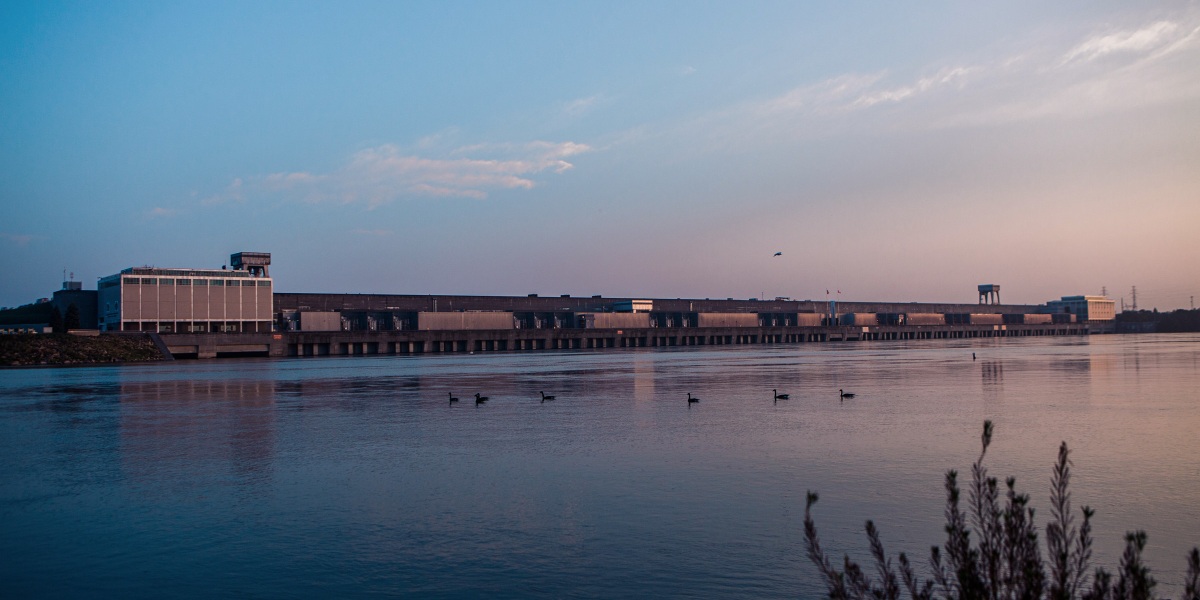
In January 2018, there was a chilly snap. People turned up their heat and plugged in space heaters. The city quickly exceeded its quota of hydropower, forcing it to purchase power elsewhere at much higher rates. McMahon says his Plattsburgh home’s energy bill jumped by $30 to $40 a month. “People felt there was an issue but didn’t know what to attribute it to,” he says.
As the long winter began to thaw, neighbors noticed a brand new disturbance: mining servers generate an extreme amount of warmth, requiring extensive ventilation to avert shutoffs. Those fans generated a continuing, high-frequency whine, McMahon says, “like a small-engine plane on the point of take off.” It wasn’t just the decibels, however the pitch: “It registers at this weird level, like a toothache that won’t go away.” Carla Brancato lives across the river from Zafra, a crypto-mining and hosting company owned by Plattsburgh resident Ryan Brienza. She says that for several years her condo vibrated from its noise, as if someone were always running a vacuum upstairs.
Meanwhile, the automated nature of those servers meant that the brand new mines provided few local jobs. “I’m pro–economic development,” Read says, “but the largest mine operation has fewer jobs than a brand new McDonald’s.” Plattsburgh doesn’t have a city income tax, and most miners lease their buildings, meaning they aren’t paying property taxes. Elizabeth Gibbs, a city councilor, was shocked when she went to tour certainly one of the operations. “I used to be blown away by how hot it was—so hot and so loud,” she says. She describes a warehouse stuffed with lots of of servers in stacks, connected by umbilical-like wires, with doors and windows left wide open to let cool air in.
GABRIELA BHASKAR
Read, who became mayor in 2017, decided to impose a moratorium on latest crypto mines until town could work out what to do. First, the New York Public Service Commission created a rider requiring high-density users to pay higher rates. It also required crypto firms to cover specialized infrastructure up front and put down a security deposit to make sure that their bills got paid. Based on two months of electricity use, Coinmint’s deposit was $1,019,503. The company spent two years pursuing appeals with the New York State Department of Public Service. “In the tip, they lost,” Treacy says.
make it easy to read for teens.Organize the content with appropriate headings and subheadings (h1, h2, h3, h4, h5, h6) and made content unique. Include conclusion section and don’t include the title. it must return only article i dont want any extra information or introductory text with article e.g: ” Here is rewritten article:” or “Here is the rewritten content:”


