

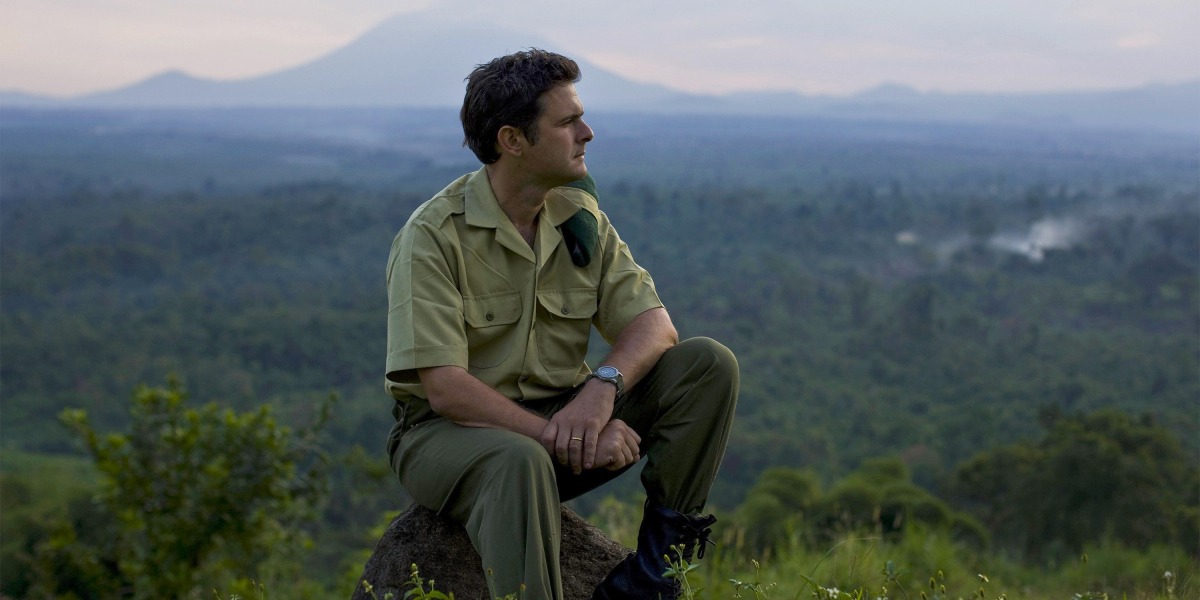

Introduction to Virunga National Park
Virunga National Park, situated within the Democratic Republic of Congo, is an important source of charcoal and food for the local people. Despite the proven fact that farming, fishing, hunting, and logging are all illegal within the park, the resources are stripped with regularity. Between 2001 and 2020, Virunga lost almost 10% of its tree cover, and it’s estimated that $170 million in trees and ivory are lost annually. The locals are forced to make a choice from paying local warlords or ravenous, creating perfect conditions for corruption.
The Complexity of Congo
"Congo is a bewildering place to make moral judgments," says Adam Hochschild, creator of "King Leopold’s Ghost", which chronicles the Belgian monarch’s harrowing Nineteenth-century rule. The country is complicated by its vastness, lots of of languages spoken by its people, and the colonization that was done for the aim of extracting wealth. This has led to a society that is difficult to justify as just and fair.
Displacement and Conflict
Congo has nearly as many displaced people as Ukraine, with a long time of conflict despite a long time of UN peacekeeping. Most of the stolen profits from the park go to armed rebel groups, which some locals join on account of lack of higher options. Some of those groups are relics of past wars, while others could also be linked to the Islamic State. The largest is the M23, a Tutsi-led group that’s well-armed and allegedly backed by Rwanda.
The Danger Faced by Rangers
Virunga would be the only UNESCO site that repeatedly buries its staff, with over 200 rangers killed since 1996, on average one a month. Cherubin Nolayambaje, who has spent eight years as a ranger, calls it "essentially the most dangerous job on the planet". The rangers often encounter armed rebels within the park and civilians farming or living there illegally.
Conservation Efforts
The park’s conservation efforts require community involvement to unravel issues, but that is difficult on account of the insecurity in the realm. De Merode, the park’s director, is sympathetic to community complaints that individuals are being denied access to the park’s vast wealth. He believes that the park may be was a positive asset, but this requires a long-term plan.
A New Approach to Conservation
De Merode’s plan to show the park around hinges on the three hydro plants which have been opened since 2013, which give electricity to the local people. This, in turn, supports latest jobs and businesses, like coffee coops and chia seed production. The park has also began a Bitcoin mine, which provides a brand new source of income. The goal is to indicate that conservation is just not just concerning the wildlife, but concerning the community through the wildlife.
Conclusion
In conclusion, Virunga National Park is a posh and difficult place to practice conservation. The park’s resources are being stripped, and the rangers are facing danger each day. However, with a brand new approach to conservation that involves the local people, there may be hope that the park may be was a positive asset. It’s a misconception that Virunga is just concerning the wildlife; it’s concerning the community through the wildlife. With local support, it’s possible to practice conservation in one in every of the world’s most troubled countries.


