


Introduction to Bitcoin Mining and Air Pollution
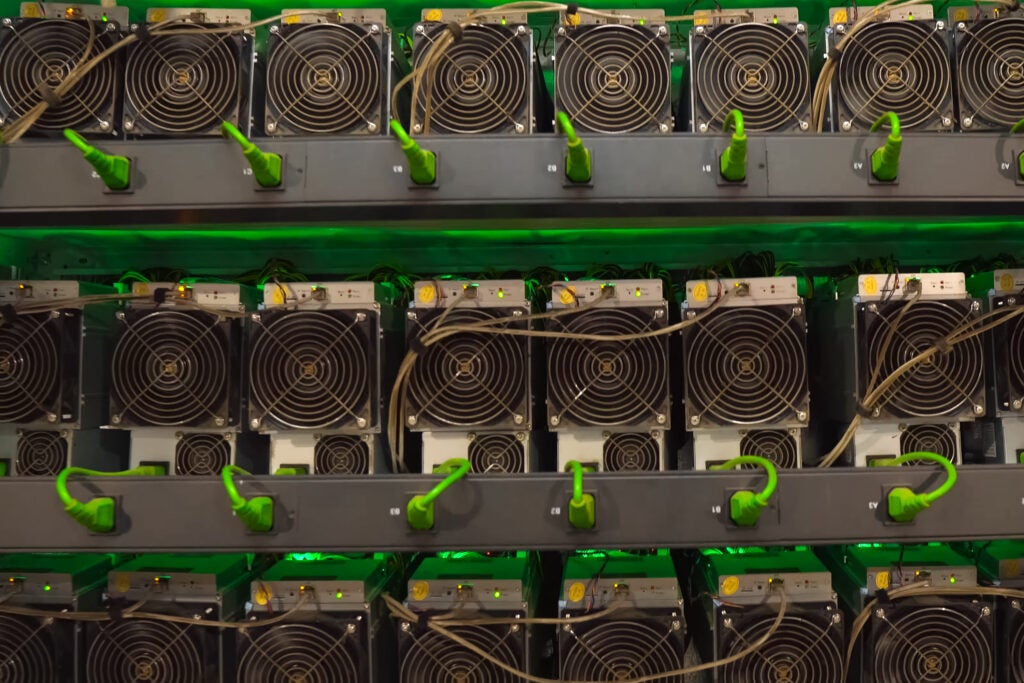
Bitcoin mining, the means of generating cryptocurrency tokens, has been found to show tens of millions of Americans to harmful air pollution annually. A brand new study led by researchers at Harvard T.H. Chan School of Public Health has make clear the environmental impacts of Bitcoin mining.
The Study and Its Findings
The study, published in Nature Communications, was conducted by a team of researchers including Francesca Dominici, Clarence James Gamble Professor of Biostatistics, Population, and Data Science. The team used in-depth investigative reporting, financial disclosures, land records, satellite imagery, and interviews to construct a dataset of the 34 largest U.S. Bitcoin mines, their locations, and their power capacities. They then identified the 635 power plants supplying electricity to the Bitcoin mines and estimated the resulting air pollution emissions and where these emissions traveled to.
The Impact of Bitcoin Mining on Air Pollution
During the study period, the 34 Bitcoin mines consumed 33% more electricity than town of Los Angeles, with the overwhelming majority of this electricity coming from fossil fuels. The researchers estimated that 1.9 million Americans were exposed to higher levels of high quality particulate air pollution (PM2.5) consequently, with people in New York City, the Houston/Austin metropolitan area, northeast Texas, and near the border of Illinois and Kentucky seeing the largest increases. PM2.5 is a sort of air pollution linked to increased risk of quite a lot of diseases, including cancer, heart disease, and dementia.
Cross-State Domino Effect
The researchers also found that a Bitcoin mine in a single state might use electricity from an influence plant in one other state, whose burning of fossil fuels could end in higher levels of PM2.5 in yet one more state. For example, residents in Metropolis, Illinois, breathe high concentrations of Bitcoin mine-attributable PM2.5 air pollution released from an influence plant in Kentucky that supplies a Bitcoin mine in North Carolina. This cross-state domino effect highlights the necessity for federal regulation, as states cannot regulate one another’s activities.
Solutions and Recommendations
To reduce the health impacts of Bitcoin mining, the researchers suggest that the Environmental Protection Agency could require upwind states to enact tighter restrictions on power plant emissions. Additionally, programs that incentivize siting Bitcoin mines responsibly could help reduce the mines’ health impacts.
Learn More
To learn more concerning the study and its findings, you may read the total study published in Nature Communications, titled "The environmental burden of the United States’ bitcoin mining boom." You can even read an article concerning the study published in Decrypt, titled "Harvard-led Study Reveals Bitcoin Mining Spreads Air Pollution Interstate."
Conclusion
In conclusion, the study highlights the numerous environmental impacts of Bitcoin mining, particularly when it comes to air pollution. The findings of the study emphasize the necessity for federal regulation and responsible practices within the Bitcoin mining industry to cut back the health impacts on Americans. By understanding the results of Bitcoin mining on air pollution, we will work towards making a more sustainable and environmentally-friendly cryptocurrency industry.


