

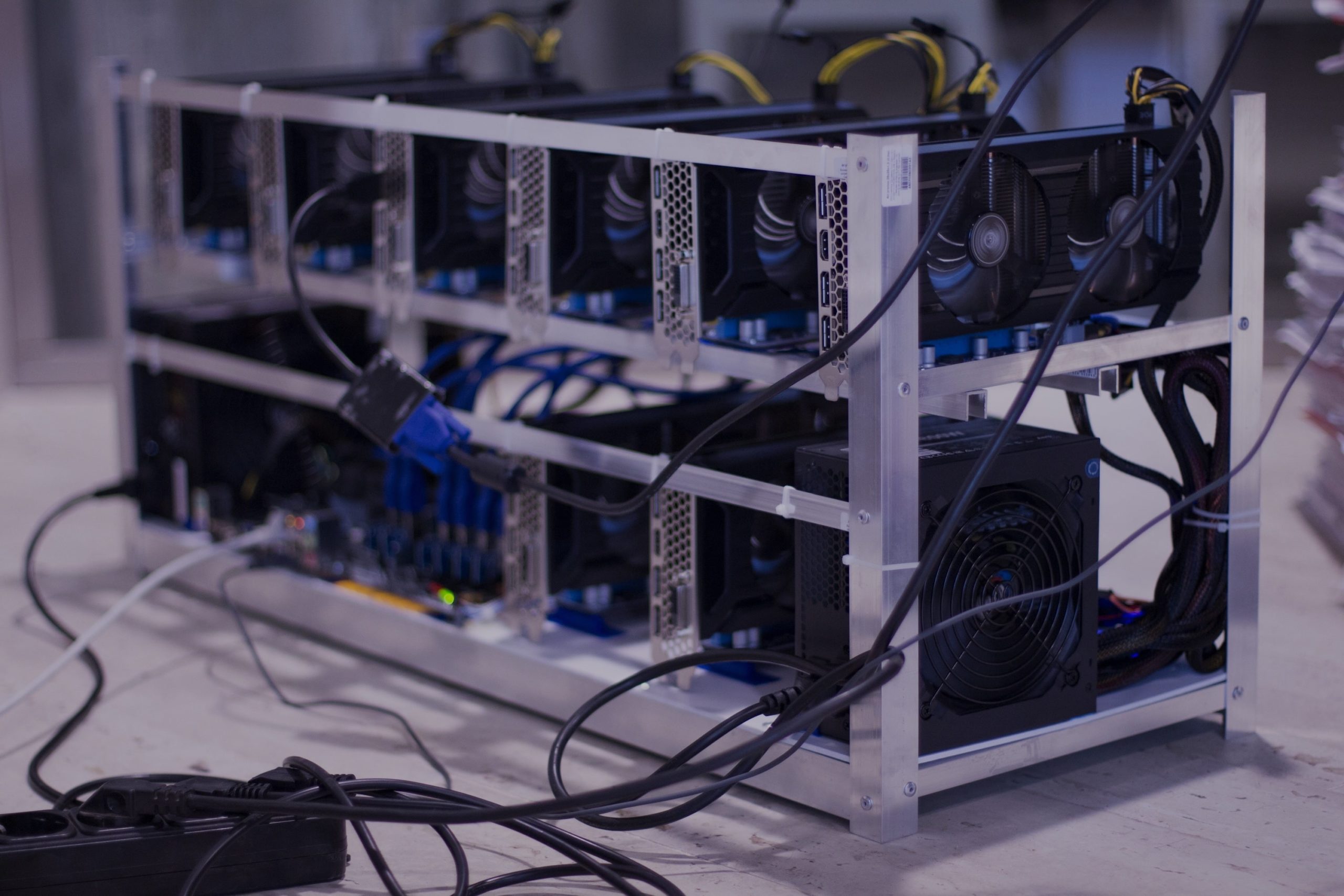

Introduction to Bitcoin Mining
Bitcoin mining is a vital a part of the cryptocurrency ecosystem. It involves solving complex mathematical problems to enable latest transactions and confirm old ones, ensuring the blockchain stays a everlasting and immutable ledger. In return, miners receive latest cryptocurrency as a reward for verifying the latest block. This latest cryptocurrency eventually flows back into the market, making miners a significant source of liquidity.
The Role of Mining Pools
Mining pools have been essential since 2013, as they coordinate the resources of individual miners. These pools now dominate bitcoin mining, but there is important competition between them. This competition is significant for the health of the cryptocurrency ecosystem, because it prevents any single miner or pool from controlling greater than half of the hashrate. If one entity were to manage a majority of the hashrate, they may potentially hold your complete ecosystem hostage by refusing to confirm latest blocks.
Competition Between Mining Pools
The data shows that the most important mining pool at any time limit has never had greater than 33% of the entire hashrate since 2016. In 2019, the top-ranked mining pool had 16.8% of the hashrate, closely followed by the second and third-ranked mining pools, with 12.9% and 12.8% respectively. This suggests that miners have distributed their hashrate between pools to forestall any single pool from becoming dominant. Although the highest 4 mining pools do control a majority of the hashrate, the distribution of hashrate amongst multiple pools ensures a level of competition.
Hashrate Distribution
The distribution of hashrate amongst mining pools is crucial for maintaining a healthy ecosystem. As seen within the graph, the top-ranked miners have a good portion of the hashrate, but no single pool has a majority. This distribution of hashrate ensures that the ecosystem stays decentralized and resilient to potential attacks.
The Role of Exchanges in Bitcoin Mining
Once mining pools receive latest bitcoin rewards, they should send them to cryptocurrency exchanges in return for fiat currency to fund their operations. Bitcoin from miners is crucial for exchanges’ liquidity, as exchanges receive 88% of their bitcoin from other exchanges, but miners are the most important other source of bitcoin, providing 28% of the remaining 12%. As a result, there may be substantial competition between exchanges to be the recipient of mining pools’ bitcoin.
Competition Between Exchanges
The competition between exchanges to receive newly mined bitcoin is fierce. Exchanges need to supply attractive services and charges to mining pools to develop into their preferred partner. This competition ultimately advantages the cryptocurrency ecosystem, because it leads to higher services and lower fees for miners.
Conclusion
In conclusion, the competition between mining pools and exchanges is important for the health of the cryptocurrency ecosystem. The distribution of hashrate amongst multiple mining pools and the competition between exchanges to receive newly mined bitcoin be certain that the ecosystem stays decentralized and resilient. As the cryptocurrency market continues to grow, it’s crucial to observe the competition between mining pools and exchanges to make sure the long-term health and stability of the ecosystem. By understanding the dynamics of bitcoin mining and the role of mining pools and exchanges, we will higher appreciate the complexities of the cryptocurrency ecosystem and make informed decisions about its future.


