


Trusted editorial content reviewed by leading industry experts and experienced editors. Ad Disclosure
The Bitcoin network is barely tougher to mine, with the present difficulty level increasing to simply over 148 trillion. Block times are currently averaging around 9.95 minutes, barely below the network's 10-minute goal, prompting an adjustment to decelerate mining somewhat.
Predicted increase in difficulty
Bitcoin adjusts its mining difficulty every 2016 blocks, about every two weeks, to maintain the typical block time at about 10 minutes. If blocks are added too quickly, the problem of the network increases; When they fall back, it lowers it.
At the moment, miners are adding blocks slightly faster than planned, which suggests the network will increase the challenge of keeping production stable.
Based on CoinWarz estimates, the following adjustment is anticipated to extend the problem to over 148 trillion on January 8, 2026 at block 931,392.
Source: CoinWarz
Historical context and market movements
Mining difficulty has risen to recent highs in 2025, with two sharp jumps in September that coincided with Bitcoin's price surge earlier within the yr.
Bitcoin reached $125,100 in October before experiencing a big decline. When prices rise, more mining rigs enter the network, increasing overall computing power and making upward adjustment tougher.
Miner costs and network security
The next difficulty level implies that miners need more processing power and energy to unravel blocks. This increases costs and might reduce profit margins, especially for smaller operations.
At the identical time, the system protects the network from centralization. If a miner or group controls an excessive amount of computing power, they might dominate block production and even attempt a 51 percent attack. By adjusting the problem level, the network ensures that mining stays distributed and secure.
BTCUSD is currently trading at $87,902. Chart: TradingView
Outlook from the investment side
According to Bitwise CIO Matt Hougan, Bitcoin could deliver regular growth over the following 10 years relatively than massive annual increases.
He told CNBC that he expects “strong returns” with moderate ups and downs. Hougan also claims that 2026 is more likely to be a positive yr for Bitcoin, reflecting the network's resilience after recent highs and volatility.
The increase to over 148 trillion will not be dramatic, but will barely tighten miners' margins. Tracking block times, hash rate, and difficulty can provide insight into the short-term profitability of mining.
For investors, the problem trends are also indicative of real-world efforts to secure Bitcoin, which impacts supply and potential selling pressure.
The network's difficulty adjustments are routine but vital. They make sure that coins are constantly issued, miners remain challenged, and Bitcoin's decentralized design is preserved.
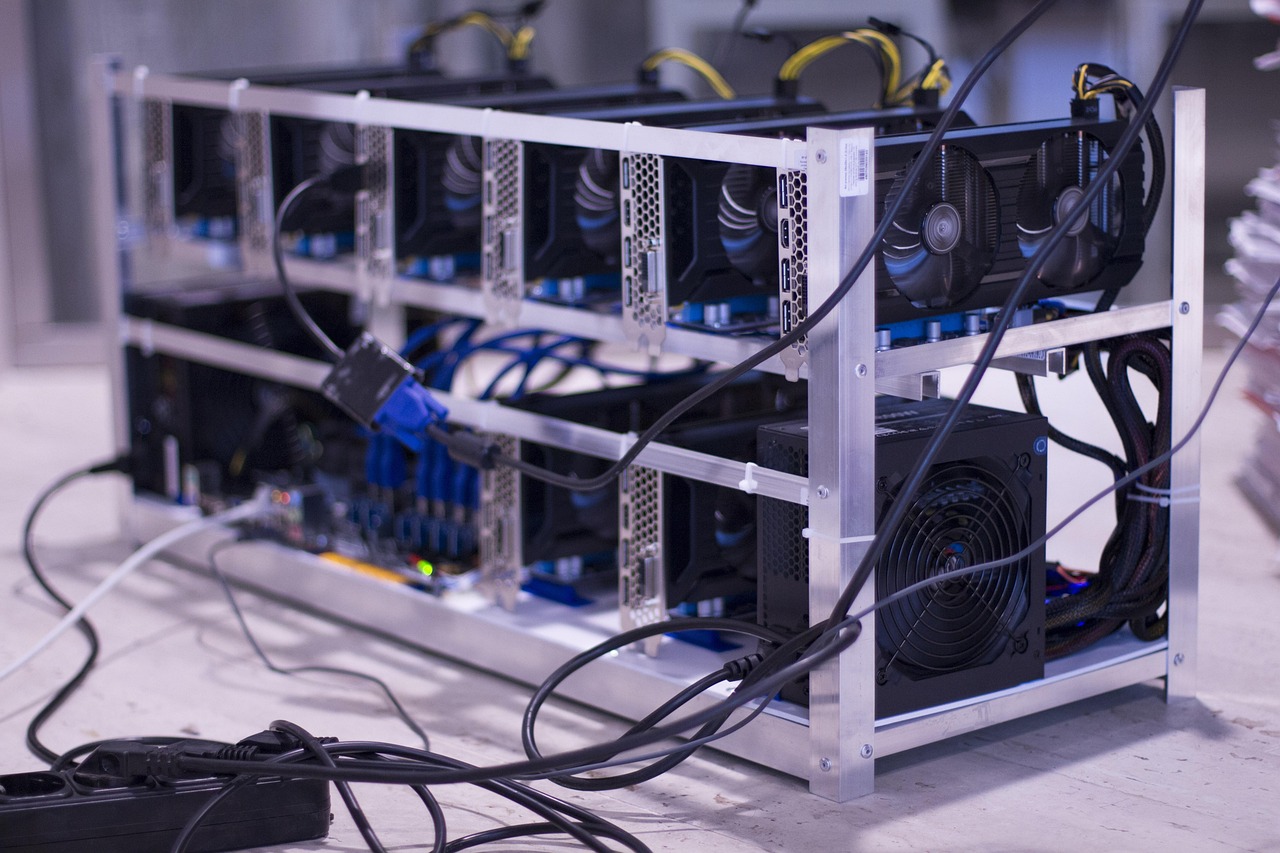
Featured image from Pixabay, chart from TradingView
Editorial process At Bitcoinist, the main target is on providing thoroughly researched, accurate, and unbiased content. We maintain strict sourcing standards and each page is rigorously reviewed by our team of top technology experts and experienced editors. This process ensures the integrity, relevance and value of our content to our readers.


