


Introduction to E-Waste
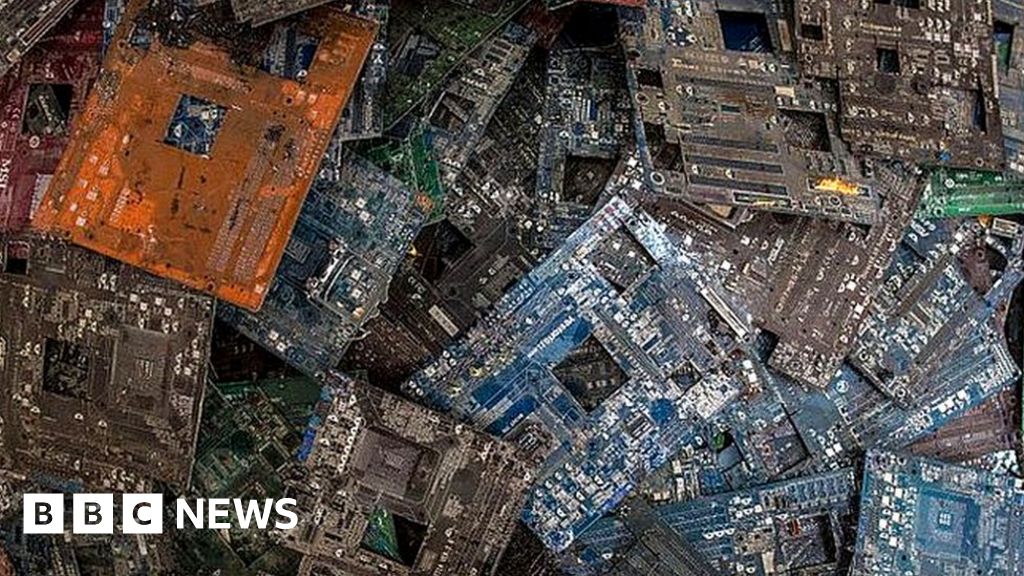
The world is producing a staggering amount of electronic waste, or e-waste, yearly. This form of waste includes old or broken electronic devices corresponding to mobile phones, computers, and televisions. The amount of e-waste generated is becoming a major problem, with serious environmental and health implications.
What is E-Waste?
E-waste refers to any electronic device that isn’t any longer wanted or has reached the top of its life. This can include a wide selection of things, from small devices like smartphones and laptops to larger devices like fridges and air conditioners. The rapid pace of technological advancements and the constant demand for newer, higher devices have contributed to the growing problem of e-waste.
The Scale of the Problem
To put the issue into perspective, researchers have compared the quantity of e-waste produced to the "small IT and telecommunication equipment" waste of a rustic just like the Netherlands. This category includes items like mobile phones, personal computers, printers, and telephones. The comparison highlights the sheer volume of e-waste being generated, which is comparable to the entire waste produced by a complete country.
Environmental and Health Implications
The production of e-waste has serious environmental and health implications. Electronic devices often contain toxic materials like lead, mercury, and cadmium, which may contaminate soil and water if not disposed of properly. The improper disposal of e-waste may result in air pollution, as devices are sometimes burned or melted right down to extract invaluable materials. Furthermore, the mining of raw materials needed to supply recent electronic devices can lead to deforestation, water pollution, and other environmental problems.
Reducing E-Waste
There are several ways to cut back the quantity of e-waste produced. One of essentially the most effective ways is to adopt a "circular economy" approach, where electronic devices are designed to be recycled and reused. Consumers may play a task by selecting devices which can be made with sustainable materials, buying second-hand devices, and properly disposing of old devices. Additionally, manufacturers can design devices which can be easier to repair and upgrade, reducing the necessity for frequent replacements.
Conclusion
The problem of e-waste is a major one, with far-reaching environmental and health implications. By understanding the size of the issue and taking steps to cut back our electronic waste, we can assist mitigate these impacts. As consumers, we have now the ability to make a difference by making informed decisions concerning the devices we buy and the way we eliminate them. By working together, we will reduce the quantity of e-waste produced and create a more sustainable future for ourselves and for generations to come back.


